
 Image 1 of 1
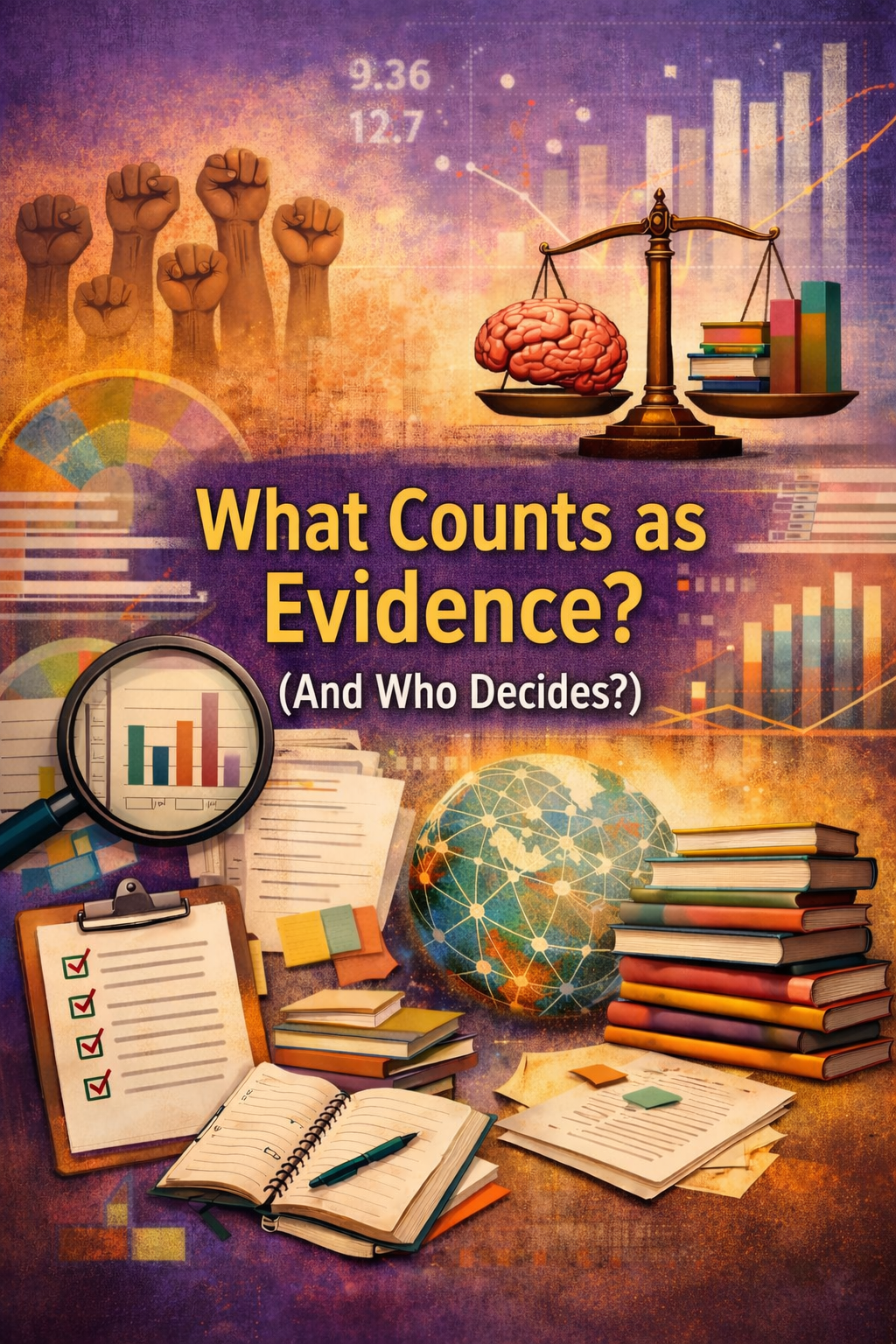
This course explores how history and power shape our definitions of "good evidence" and provides the tools to move toward more equitable, community-informed research practices. Grounded in feminist and critical traditions, you will examine how to balance traditional quantitative data with lived experience and narrative to create a more responsible relationship with knowledge. Whether you are a researcher, data analyst, or community advocate, you will learn to bridge theoretical concepts with real-world decisions about what we measure and how we interpret results. You will emerge from the course with a practical framework or project revision designed to strengthen your work through the lenses of equity and social context.
Session dates: June 15, 18, 22, 25, and 29, 2026
This course explores how history and power shape our definitions of "good evidence" and provides the tools to move toward more equitable, community-informed research practices. Grounded in feminist and critical traditions, you will examine how to balance traditional quantitative data with lived experience and narrative to create a more responsible relationship with knowledge. Whether you are a researcher, data analyst, or community advocate, you will learn to bridge theoretical concepts with real-world decisions about what we measure and how we interpret results. You will emerge from the course with a practical framework or project revision designed to strengthen your work through the lenses of equity and social context.
Session dates: June 15, 18, 22, 25, and 29, 2026